Relevance to the Theme of the Module
The Aizkraukle Daugava Coastal Landscape Development Concept is relevant to the theme of urban transformation and creativity as it exemplifies how landscape architecture and community engagement can transform and revitalize urban areas. This project highlights the integration of environmental sustainability and cultural heritage into urban planning, aligning with the module’s emphasis on creative industries in urban transformation.
Project Overview: Objectives and Methods
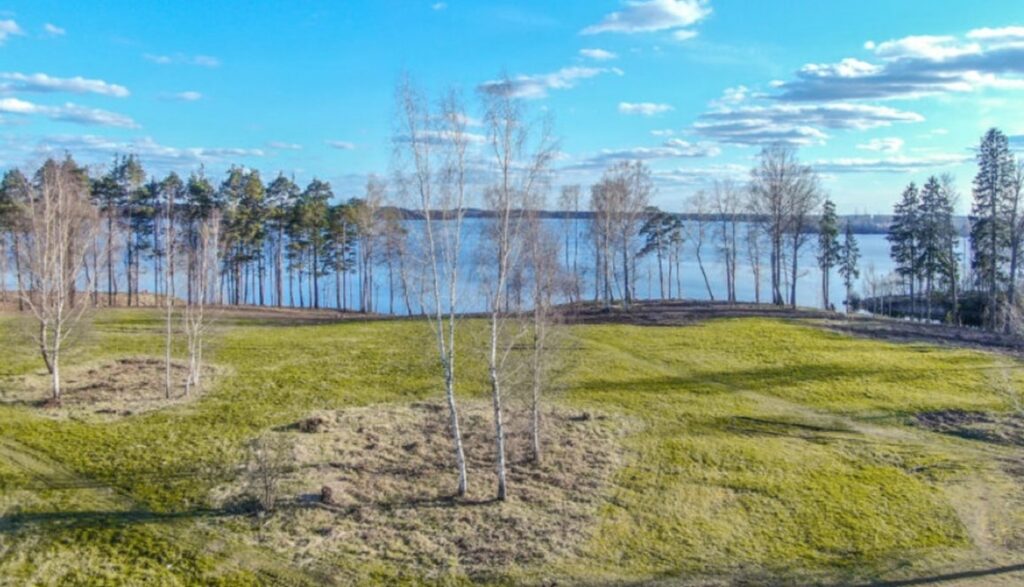
The project focused on developing the Daugava coastal landscape in Aizkraukle, Latvia. Key objectives included:
Promoting Local Identity: Enhancing the cultural and natural heritage of the Daugava River area.
Tourism Development: Creating new attractions to boost local tourism.
Community Involvement: Engaging local residents in the development process to ensure the project reflects community values and needs.
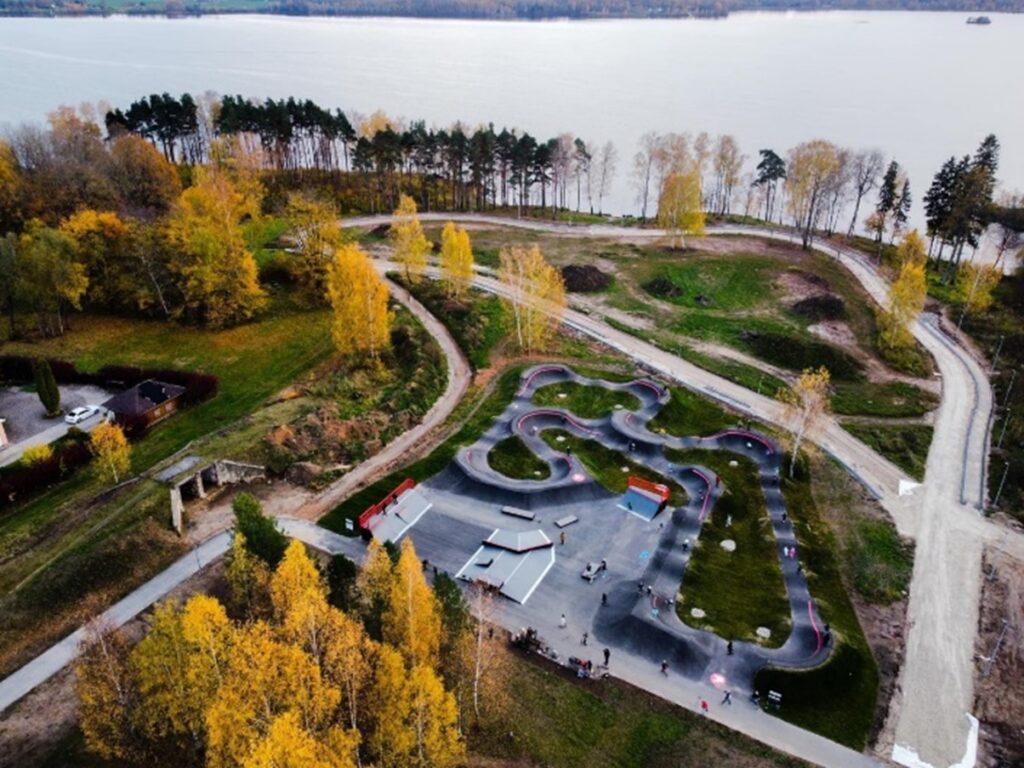
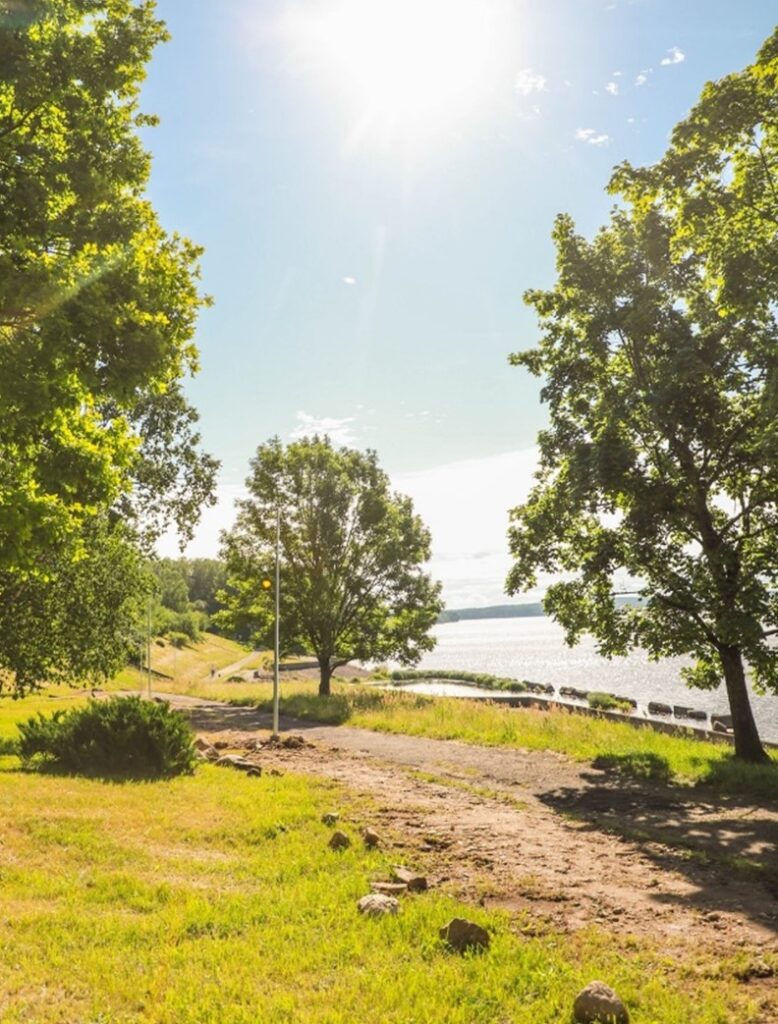
Methods used in the project included the creation of a multifunctional bike park, informative stands with QR codes for historical information, and a scenic walking trail. The project was developed in collaboration with landscape architects, local residents, and the municipality, ensuring a participatory approach.
Outcomes, Results, and Impacts
The project has had a profound impact on the region:
Cultural and Recreational Hub: The area has become a popular destination for both locals and tourists, hosting various cultural and recreational activities.
Economic Boost: Increased tourism has contributed to the local economy by supporting businesses and creating job opportunities.
Community Engagement: The project has fostered a sense of community by involving residents in the planning and development process.
Potential for Replication in Other Regions
The Aizkraukle project offers a replicable model for other regions:
Adaptability: The project can be adapted to different environmental and cultural contexts.
Scalability: Similar projects can be scaled up or down depending on the available resources and regional needs.
Community-Centric Approach: Emphasizing community involvement ensures the project meets local needs and fosters long-term sustainability.