Relevance to the Theme of the Module
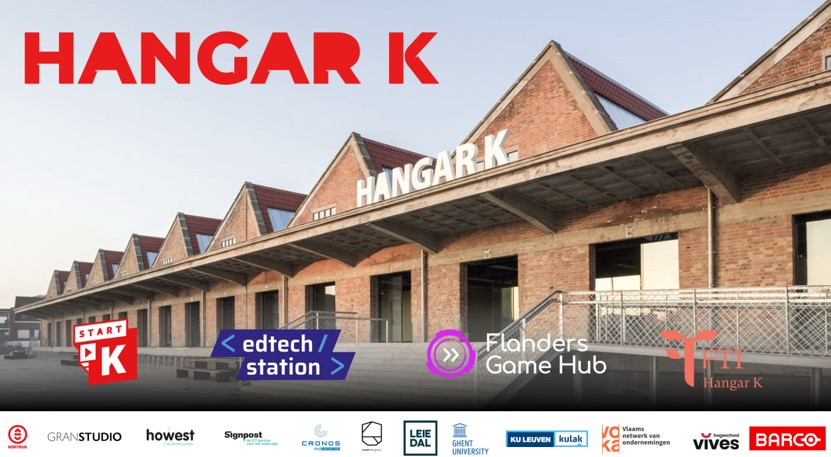
The Hangar K project is a prime example of how creative industries can play a transformative role in urban revitalization and economic development. By creating a dynamic co-creation hub, Hangar K addresses multiple facets of urban transformation, including fostering innovation, supporting entrepreneurship, and promoting collaboration among diverse stakeholders. It exemplifies how cultural and creative initiatives can rejuvenate underutilized spaces, stimulate local economies, and enhance community engagement, aligning perfectly with the module’s focus on the role of creative industries in urban transformation.
Project Overview: Objectives and Methods
Objectives:
- To stimulate entrepreneurship and innovation within the digital and creative industries.
- To provide a collaborative space for startups, scale-ups, and established companies.
- To support the growth and development of young entrepreneurs and digital innovators.
- To foster a vibrant community of innovators and creatives.
Methods:
Hangar K employs several strategies to achieve its objectives:
Co-Working Spaces: Offering flexible desk rentals, meeting rooms, and event spaces equipped with quality technology. These spaces provide a conducive environment for collaboration and innovation.
Networking Opportunities: Organizing events, workshops, and networking sessions to foster collaboration and knowledge exchange among entrepreneurs, creatives, and industry experts.
Support Programs: Providing mentorship, business coaching, and access to resources through initiatives like Start@K and the Flanders Game Hub. These programs support the growth and development of startups and scale-ups.
Community Building: Creating a supportive and collaborative community of innovators, known as the “Hangar Krowd,” where members support each other, learn from each other, and achieve their growth ambitions.
Outcomes Results and impacts
Outcomes:
Creation of a vibrant community of entrepreneurs, startups, and established companies, known as the Hangar Krowd.
Successful launch and growth of numerous startups and scale-ups within the hub.
Development of specialized hubs for EdTech and gaming, enhancing sector-specific innovation.
Results:
Over 192 startups active in 11 countries, with nearly 100 student entrepreneurs supported.
Establishment of two key hubs: the Flanders Game Hub and <edtech/station>.
Hangar K has become a self-sustaining incubator, financially independent and thriving.
Impacts:
Significant contribution to the local and regional digital economy.
Promotion of interdisciplinary collaboration and innovation.
Enhanced visibility and reputation of Kortrijk as a center for digital and creative industries.
Increased job creation and economic activity in the region.
Potential for Replication in Other Regions
Hangar K’s model of a co-creation hub can be replicated in other regions looking to boost their digital and creative industries. Key factors for successful replication include:
Initial Investment and Infrastructure: Investment in infrastructure and resources to create a conducive environment for startups and entrepreneurs. This includes providing flexible co-working spaces, meeting rooms, and event spaces equipped with modern technology.
Strong Partnerships: Collaboration with local government, educational institutions, and industry partners is essential for creating a supportive ecosystem for innovation and entrepreneurship. These partnerships can provide access to resources, expertise, and funding.
Focus on Community Building: Emphasis on creating a supportive and collaborative community of innovators, where members can share knowledge, support each other, and achieve their growth ambitions. This can be achieved through regular networking events, workshops, and community-building activities.
Support Programs: Providing mentorship, business coaching, and access to resources through specialized support programs. These programs can help startups and scale-ups navigate the challenges of growth and development, and provide them with the tools and knowledge they need to succeed.
Sector-Specific Hubs: Developing specialized hubs for specific sectors, such as EdTech and gaming, can enhance sector-specific innovation and provide targeted support to startups and entrepreneurs in these fields.
By adopting the Hangar K model, other regions can create similar hubs that foster entrepreneurship, innovation, and growth within the digital and creative sectors. This can lead to the revitalization of underutilized spaces, stimulation of local economies, and enhancement of community engagement.