Relevance to the Theme of the Module
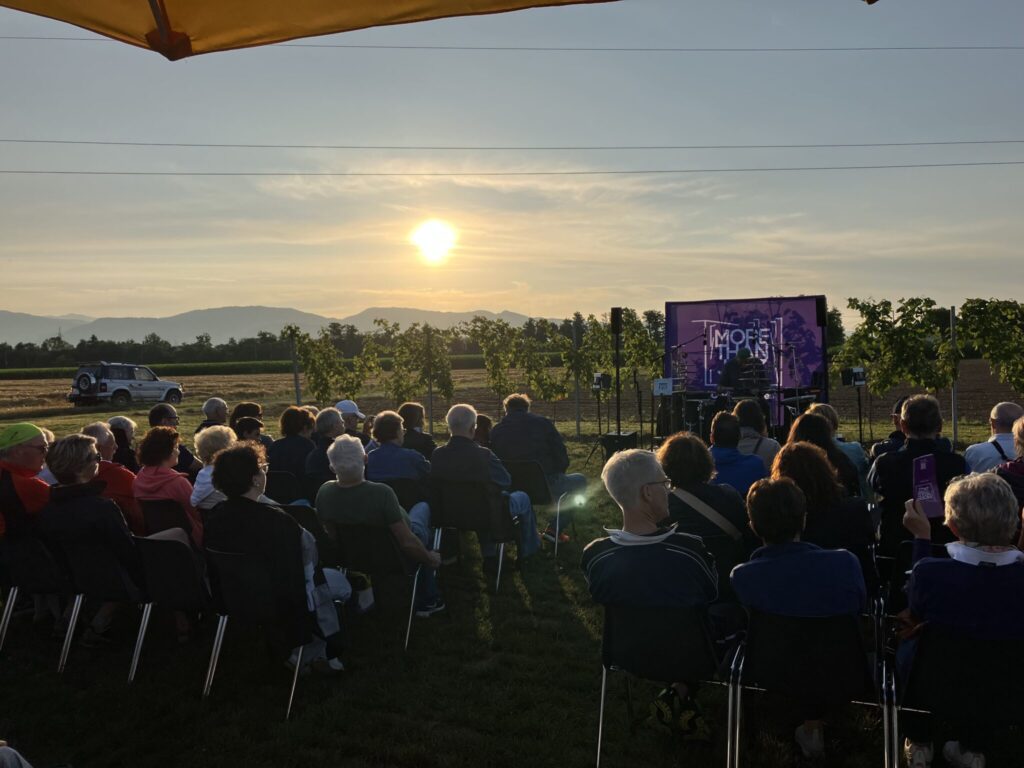
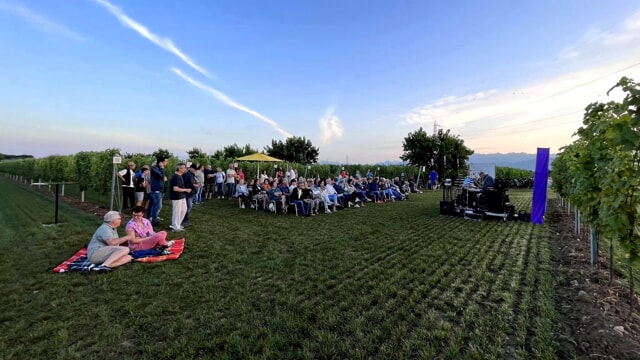
The Refosco Collection – Living Museum is a significant example of how digital technologies can be leveraged to preserve and promote cultural heritage within the creative industries. This project integrates advanced digital solutions with traditional viticulture, creating a unique living museum that showcases the biodiversity and cultural significance of the Refosco wine. The project aligns with the module’s focus on the role of digital technologies in enhancing and preserving cultural heritage, making it accessible and engaging for a broader audience.
Project Overview: Objectives and Methods
Objectives:
- To preserve the biodiversity of the Refosco grape variety.
- To create an interactive and educational experience for visitors.
- To integrate physical and digital spaces to enhance the cultural and historical value of the Refosco wine.
Methods:
The project employs a combination of traditional and digital methods to achieve its objectives:
Digital Documentation: High-resolution imaging and 3D modeling are used to document the vineyards and the winemaking process.
Interactive Exhibits: Digital kiosks and augmented reality (AR) applications provide visitors with interactive experiences, such as virtual tours of the vineyards and detailed information about the winemaking process.
Educational Programs: The museum offers workshops and educational programs that utilize digital tools to teach visitors about viticulture and the cultural history of the Refosco grape.
Outcomes Results and impacts
Outcomes:
Successful creation of a living museum that integrates digital and physical elements.
Development of educational programs that engage visitors in the history and production of Refosco wine.
Increased awareness and appreciation of the biodiversity and cultural heritage of the Refosco grape.
Results:
The museum has attracted a significant number of visitors, enhancing the visibility and reputation of the Refosco wine.
Positive feedback from visitors and experts, highlighting the innovative use of digital technologies in preserving and promoting cultural heritage.
Enhanced collaboration between local winemakers, historians, and digital technologists.
Impacts:
Preservation of the Refosco grape’s biodiversity and cultural significance.
Promotion of sustainable tourism and local economic development.
Increased engagement and education of the public about the cultural and historical importance of the Refosco wine.
Potential for Replication in Other Regions
The Refosco Collection – Living Museum model can be replicated in other regions with unique cultural and agricultural heritage. Key factors for successful replication include:
Strong Local Partnerships: Collaboration between local cultural institutions, agricultural experts, and digital technologists is essential.
Access to Digital Tools: Availability of digital documentation tools, AR applications, and interactive exhibit technologies.
Commitment to Education and Preservation: A focus on creating educational programs and preserving local heritage is crucial.
By adapting the methodologies and technologies used in the Refosco Collection – Living Museum, other regions can create similar projects that preserve and promote their unique cultural and agricultural heritage.