Relevance to the Theme of the Module
The Citadelle Marseille project is a significant example of how creative industries can contribute to the revitalization of historical sites and the promotion of cultural tourism. By integrating cultural heritage preservation with community engagement and tourism development, the project addresses multiple facets of urban transformation, sustainable development, and social inclusion. It exemplifies how cultural and creative initiatives can rejuvenate neglected historical sites, foster community pride, and enhance regional identity, aligning perfectly with the module’s focus on the role of creative industries in urban transformation.
Project Overview: Objectives and Methods
Objectives:
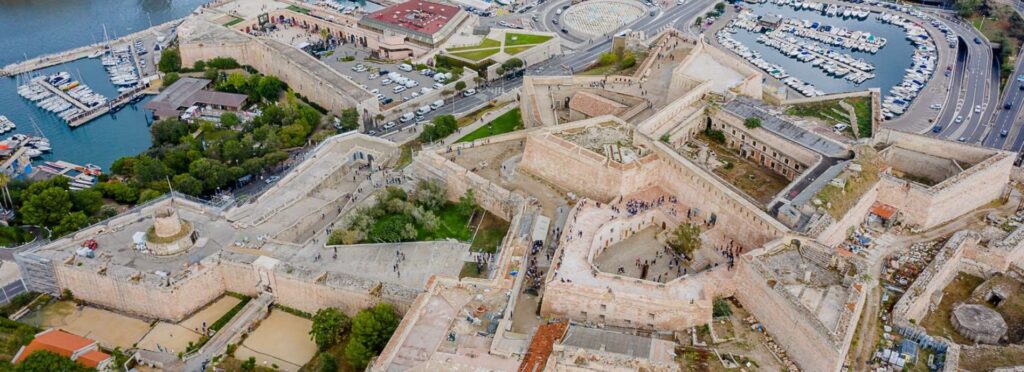
- To renovate and transform the Fort d’Entrecasteaux in Marseille into a tourist hotspot and cultural hub.
- To open the site to the public and create cultural content through artist and scientific residencies.
- To promote social inclusion and sustainable development through the preservation of cultural heritage.
Methods:
The Citadelle Marseille project, supported by the City of Marseille, the national Ministry for Culture, the Department and the Regional Council of Provence-Alpes-Côte d’Azur, involved several key methods:
Restoration and Renovation: Comprehensive renovation of the Fort d’Entrecasteaux, a listed Historic Monument from the 17th century, to make it accessible to the public.
Cultural Programming: Implementation of cultural programs, including concerts, artist residencies, and public openings, to engage the community and attract tourists.
Collaborative Governance: Establishment of a cross-governance structure involving the State, Region, Department, and City to oversee the construction works and cultural programming.
Outcomes Results and impacts
Outcomes:
The Fort d’Entrecasteaux was successfully renovated and opened to the public, attracting significant visitor interest.
Implementation of cultural programs, including concerts and artist residencies, which engaged the community and enhanced the site’s cultural value.
Recognition of the project through various awards and partnerships, highlighting its success and impact.
Results:
The first public opening attracted 8,000 visitors during the week of Heritage.
The project was selected as a laureate of the Remedspace / New European Bauhaus among 16 selected projects.
The project partnered with the Hero Erasmus program for ecological and inclusive restoration, employing 300 jobless people per year in the restoration works.
Impacts:
Stimulated local tourism and economic activity, benefiting local businesses and the community.
Fostered social inclusion by integrating people in difficulty for stone-restoration works.
Promoted sustainable development through environmentally friendly building restoration methods and the preservation of natural areas around the Fort.
Potential for Replication in Other Regions
The Citadelle Marseille project offers valuable insights for other regions looking to leverage creative industries for the revitalization of historical sites and the promotion of cultural tourism:
Scalability: The project’s framework can be scaled to fit different regions, from small towns to larger urban areas.
Adaptability: The core idea of using cultural heritage and creative industries to transform neglected historical sites can be adapted to various contexts, focusing on local history and community needs.
Collaborative Approach: The project’s success was due in part to the collaboration between multiple levels of government and the community. This approach can be replicated to foster similar partnerships in other regions.
Educational Integration: The incorporation of educational components, such as artist residencies and public workshops, can be tailored to local schools and universities, ensuring that the project has a broad and lasting impact.