Type of instrument: Strategy (Integrated Strategy for Urban Development of Alba Iulia 2021-2030)
Geographical scope: Local
Location:
Romania
Centru Region
Municipality of Alba Iulia
Thematic objective: SOCIAL Culture and sustainable tourism
Over the past 10 years, Alba Iulia, a medium sized city in Transylvania, Romania, with a 2000 years long history, has become a more and more attractive destination both for Romanian and foreign tourists. Thanks to the intense efforts and to the active involvement of the public and private stakeholders, its remarkable historic heritage is restored and valorized step by step with the financial assistance of the EU.
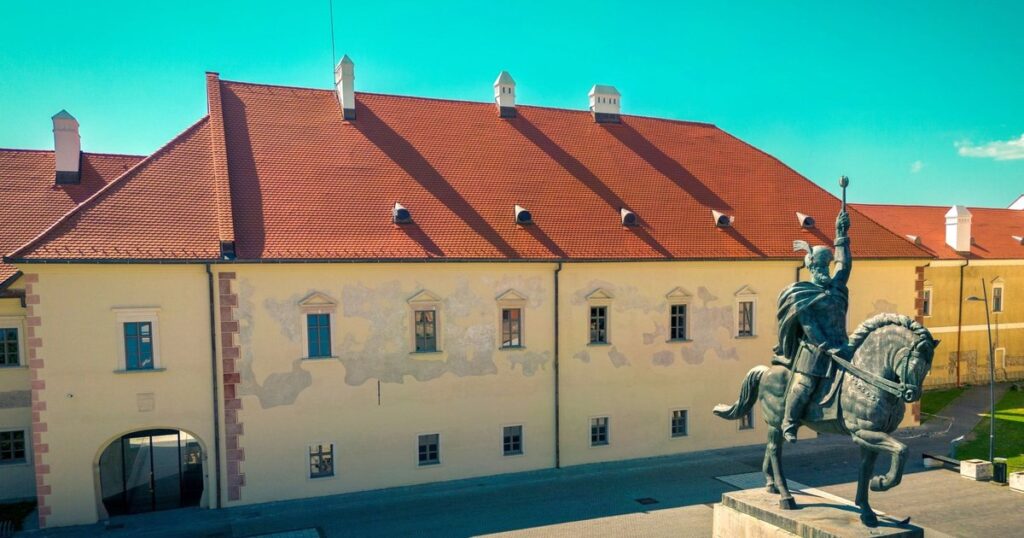
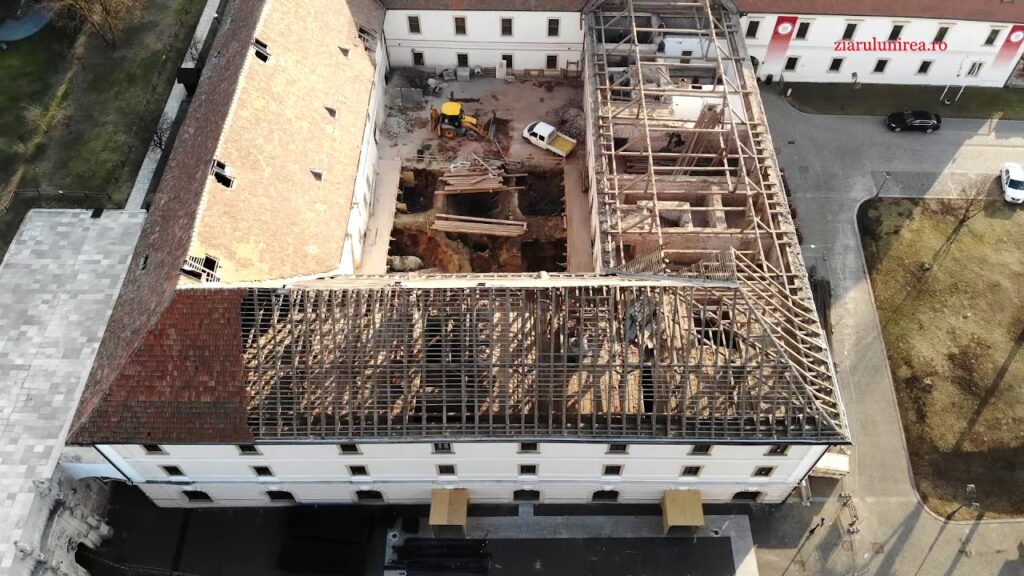
First such projects had as objective the restoration of the Alba Iulia Citadel which is the largest Vauban styled fortress in the South-East Europe and the preservation and bringing to light of ruins from the Roman period of the city. But there are also other hidden gems in Alba Iulia to be ”brought to light” and one such interesting sites is the former Palace of the Princes of Transylvania, a huge construction with several buildings and courtyards building that was partially restored between 2017 and 2023.
The project targeted an abandoned palace built in the 15th century and extended in the 16th and 17th centuries. It was used as main residence for the Princes of Transylvania and the seat of power for the administration in the entire region for over 150 years. Over the last 3 centuries the building was used by the Army until 2007 when it was transferred to the local municipality. Although the area of the palace is about 10500 square meters and consists of several distinct parts, due to the limited financial resources for this project, the municipality was able to restore and open to the public only the main building of the palace.
It cost around 6 million euros to reintroduce this part of the Palace to the public with functions such as museum, cultural hub, information center, etc. Once the building was included in the public circuit as a Museum, the City Council of Alba Iulia decided that the new Museum would enjoy a distinct legal status even if it would report annually to the City Council. In addition, due to the financial constraints of the grant, the initial investment covered the basic works in terms of rehabilitation and restoration of the building and no assistance for the cultural activities needed to reopen it to the public during the lifetime of the grant.
Furthermore, in order to build a cultural offer for the local community and for the tourists, a partnership between the Municipality, the Ministry of Culture and the Ministry of National Defense was concluded.
Stakeholders involved: The Municipality of Alba Iulia, The Palace of Princes Museum.
Main beneficiaries: Tourists from Romania and from abroad, tour operators, residents of Alba Iulia, local based companies
Timescale (start/end date): May 2017 – December 2023
Resources needed:
So far, almost 6 million euro were invested for restoration and cultural valorization of the building. In addition, the organizational chart previewed 21 experts to ensure the day-to-day operations of a newly emerged cultural institution (archeologists, restoration experts, cultural experts, logistics, etc).
Evidences of success:
The project is considered a success when it comes to switch the approach of the local administration for investing in the cultural sector because museums do not generate profit and do not even cover the basic administrative costs. By having an independent legal cultural organization, the municipality will be able to partially cover the administrative costs, offering the financial back-up for NGOs needed to keep alive the local history and civilization.
Since its opening in January 2024, in a short period of 4 months of functioning, over 20 000 people visited the new Museum and, taking into account the low tourism season (January -April) and the profile of this cultural institution (storytelling museum), those figures speak for themselves about the success of this project. It also worth to mention that, according to the feasibility study for the project, the target number of visitors, during the first 5 year period of functioning amounts to 215 000 people, which could be easily reached beforehand.
Potential for learning or transfer:
Other regions could inspire from the original way of setting-up and bringing to life the local history through a museum that has no physical artifacts and transformed the absence of a historical patrimony by offering the option of a digital storytelling museum, an immersive experience in the life of the Transylvanian Principality. Each room of the museum will tell the story of a Prince through artistic means, digital artifacts and installations, a collection of objects, documents, sources, scenarios and ideas to show their principles of life and governance.