Relevance to the Theme of the Module
The Contrei Live project is a prime example of how creative industries can play a pivotal role in urban transformation. By integrating art and community engagement into urban planning, the project addresses multiple facets of urban transformation, including cultural revitalization, sustainable development, and social cohesion. It exemplifies how cultural and creative initiatives can revitalize public spaces, foster community dialogue, and enhance regional identity, aligning perfectly with the module’s focus on the role of creative industries in urban transformation.
Project Overview: Objectives and Methods
The Contrei Live project, initiated by Leiedal, aimed to create a sustainable vision for the Lys and Scheldt region in Flanders, Belgium. The project tackled significant challenges such as water management, climate change, and cultural heritage preservation. Key objectives included:
- Raising awareness about the importance of water as a precious resource.
- Encouraging sustainable water management practices.
- Enhancing community engagement through art and culture.
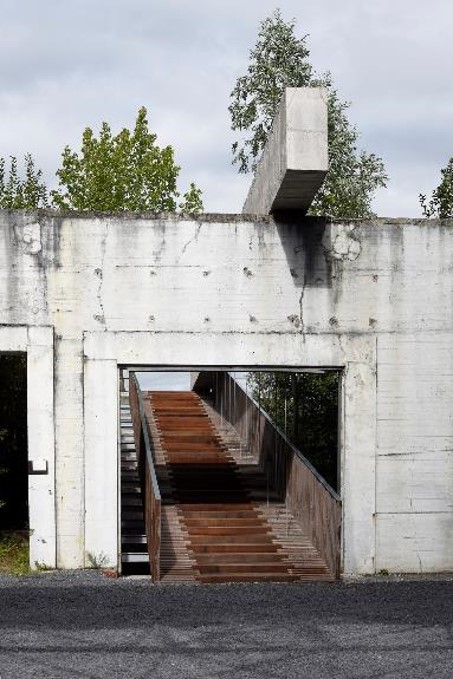
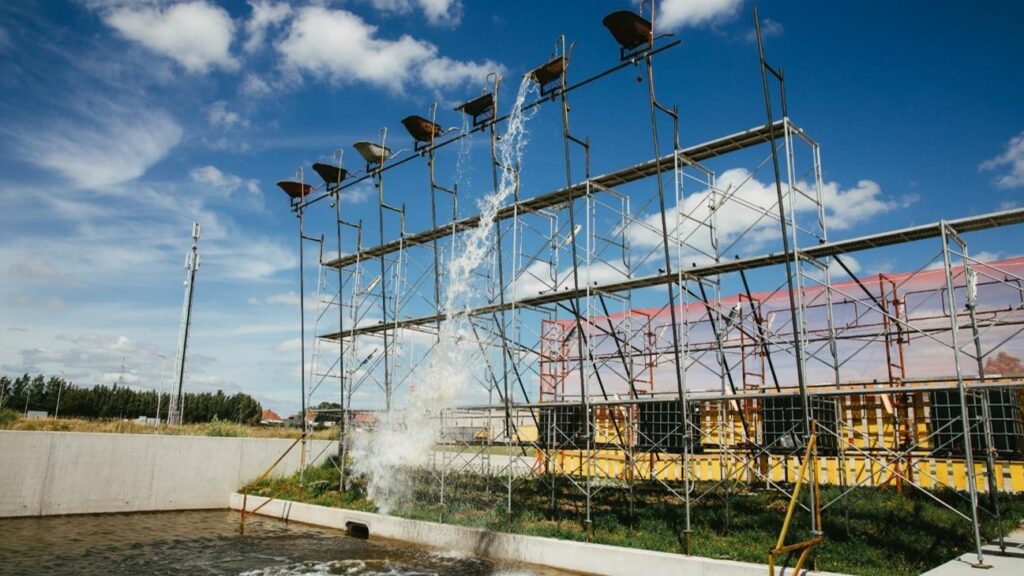
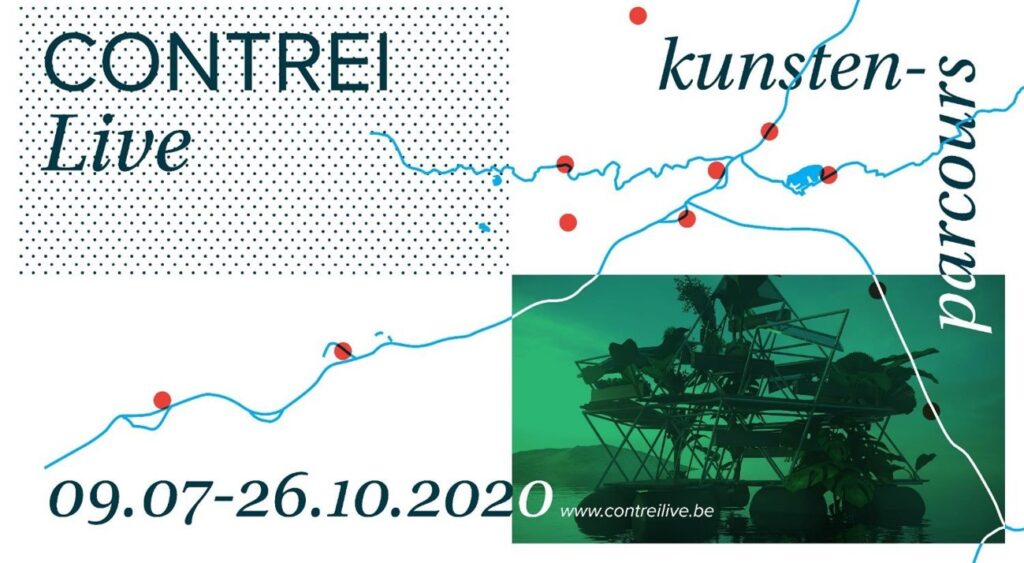
To achieve these objectives, Contrei Live developed an arts trail across 13 municipalities in the region. The trail featured 16 artworks by national and international artists, architects, and designers, focusing on water in the landscape. These artworks were designed to spark reflection and dialogue about water’s role in the environment and its sustainable management. The project also included cycling routes, educational packages for schools, and a game developed by students to further engage the community.
Outcomes Results and Impacts
The Contrei Live project achieved significant success in several areas:
Cultural Engagement: The art route attracted over 166,000 visitors, including 500 to 700 visitors per weekend per location. It also distributed 16,000 bike maps and garnered 2,500 followers on social media, indicating high public engagement.
Economic Boost: The project stimulated local tourism, as evidenced by positive feedback from local businesses, including horeca (hotels, restaurants, cafes) and campgrounds, which reported an influx of visitors specifically for Contrei Live.
Educational Impact: The project developed educational materials and interactive games that were used by local schools, enhancing students’ understanding of environmental and cultural issues.
Community Involvement: The initiative fostered a sense of community and regional identity, encouraging residents to engage with their environment and cultural heritage.
Potential for Replication in Other Regions
The Contrei Live project offers a versatile model for other regions seeking to integrate creative industries into urban transformation:
Scalability: The project’s framework can be scaled to fit different regions, from small towns to larger urban areas.
Adaptability: While the focus on water was specific to the Lys and Scheldt region, the core idea of using art to address local environmental and cultural challenges can be adapted to various contexts.
Collaborative Approach: The project’s success was due in part to the collaboration between local governments, cultural institutions, and the community. This approach can be replicated to foster similar partnerships in other regions.
Educational Integration: The incorporation of educational components can be tailored to local schools and universities, ensuring that the project has a broad and lasting impact.