Relevance to the Theme of the Module
The Dobele Palace project exemplifies the transformative potential of creative industries in revitalizing and valorizing historical sites. By integrating cultural heritage preservation with community engagement and tourism development, the project addresses multiple facets of urban transformation, sustainable development, and social inclusion. It demonstrates how cultural and creative initiatives can rejuvenate neglected historical sites, foster community pride, and enhance regional identity, aligning perfectly with the module’s focus on the role of creative industries in urban transformation.
Project Overview: Objectives and Methods
Objectives:
- To preserve, protect, and develop the significant cultural heritage of Dobele Palace.
- To enhance related services and promote the site as a multifunctional center for cultural, artisanal, and tourism development.
- To foster community engagement and attract tourists to the region.
Methods:
The Dobele Palace project involved several key methods:
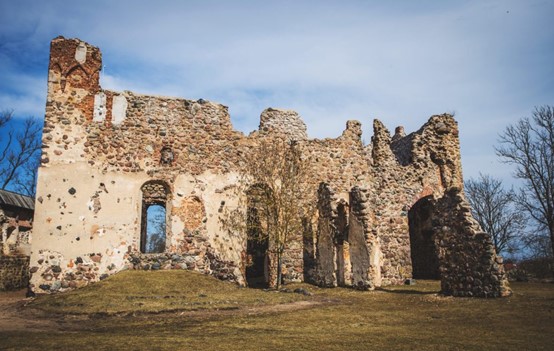
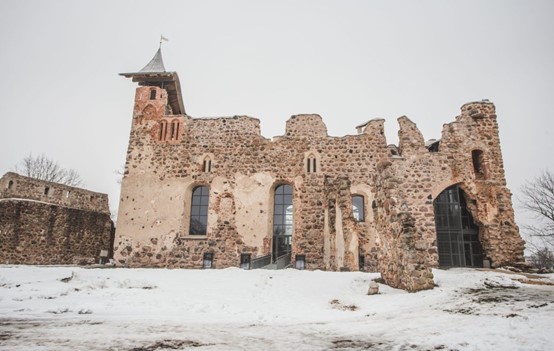
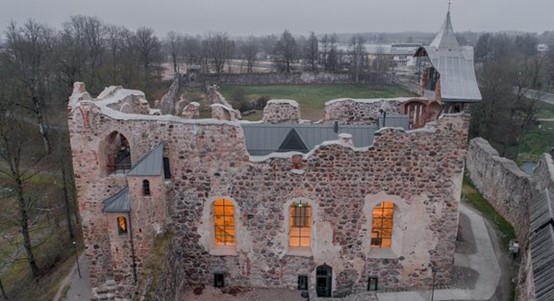
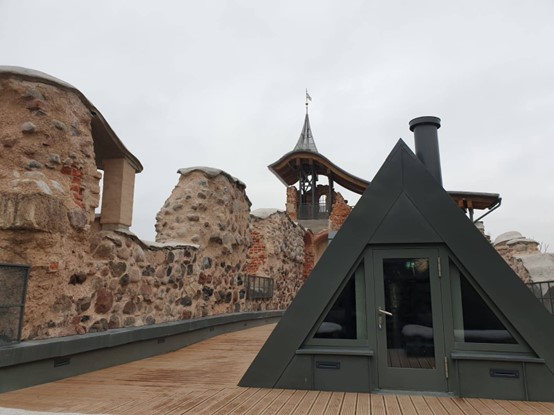
- Conservation and Reconstruction: The conservation and reconstruction of the castle chapel began in 2016, with the aim of preserving the ruins and creating new services. The facility was put into operation in 2020 and opened to visitors in the summer of 2021.
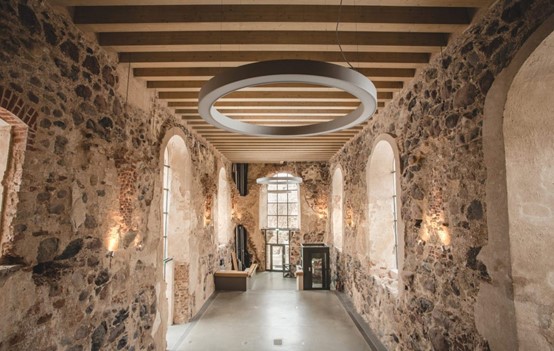
- Multifunctional Center Development: The project transformed the site into a multifunctional center featuring an exhibition hall suitable for lectures, seminars, and exhibitions, as well as an exhibition and viewing area. It also created spaces for implementing museum educational programs and creative activities, integrating digital solutions.
- Cultural Programming: The project revived the legends of Dobele Palace and developed culturally educational museum-pedagogical programs, such as “Archaeological Story in Dobele Palace” and “Secrets of Elizabeth Magdalena’s Garden.”
Outcomes Results and impacts
Outcomes:
- Dobele Palace has become a remarkable tourism and cultural heritage hub with an ever-increasing number of visitors.
- The project has hosted numerous cultural events, including excursions, museum teaching lessons, concerts, and exhibitions.
Results:
- In 2022, the first year after reconstruction, the castle attracted 24,258 visitors, and in 2023, it welcomed 17,887 visitors.
- The project received the first place in the “Restoration” nomination at the “Best Building of the Year in Latvia 2020” show.
Impacts:
- Stimulated local tourism and economic activity, benefiting local businesses and the community.
- Fostered a sense of community pride and involvement through cultural events and activities.
Promoted sustainable tourism practices by enhancing the site’s cultural and historical value.
Potential for Replication in Other Regions
The Dobele Palace project offers valuable insights for other regions looking to leverage creative industries for the revitalization of historical sites and the promotion of cultural tourism:
- Scalability: The project’s framework can be scaled to fit different regions, from small towns to larger urban areas.
- Adaptability: The core idea of using cultural heritage and creative industries to transform neglected historical sites can be adapted to various contexts, focusing on local history and community needs.
- Collaborative Approach: The project’s success was due in part to the collaboration between multiple levels of government and the community. This approach can be replicated to foster similar partnerships in other regions.
Educational Integration: The incorporation of educational components, such as museum-pedagogical programs and cultural events, can be tailored to local schools and universities, ensuring that the project has a broad and lasting impact.