Relevance to the Theme of the Module
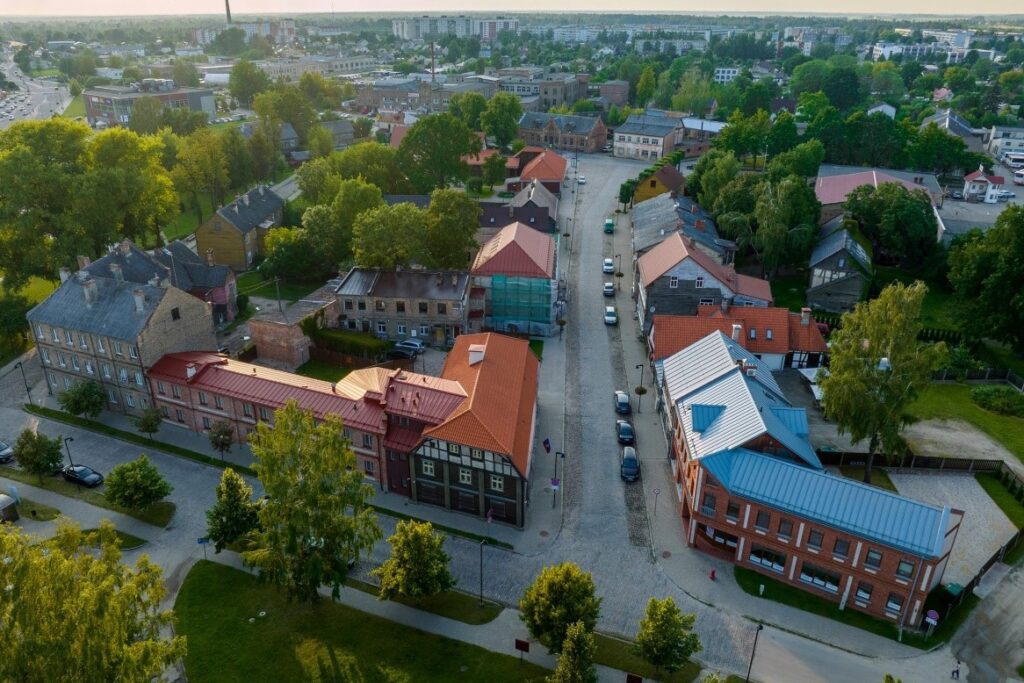
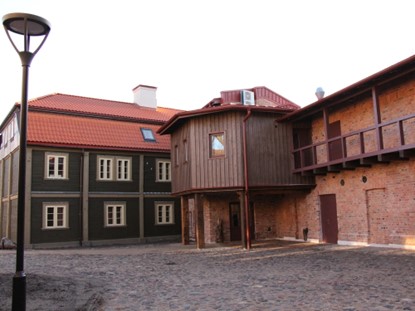
The revitalization of Jelgava’s Oldtown Street Quarter illustrates the transformative impact of integrating cultural heritage into urban development. This project aligns with the module’s theme by showcasing how restoration and creative use of historical buildings can enhance urban areas, boost tourism, and foster community pride.
Project Overview: Objectives and Methods
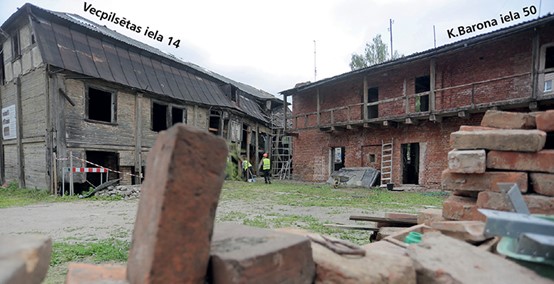
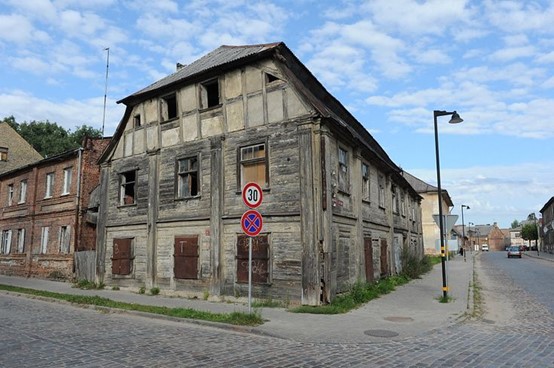
The project focused on revitalizing the oldest part of Jelgava, Latvia, which features wooden buildings from the 18th and 19th centuries. Key objectives included:
Preserving Cultural Heritage: Restoring and maintaining historical buildings to preserve the city’s architectural legacy.
Economic Development: Boosting local tourism and supporting the local economy.
Community Engagement: Involving local residents, historians, and craftsmen in the restoration process.
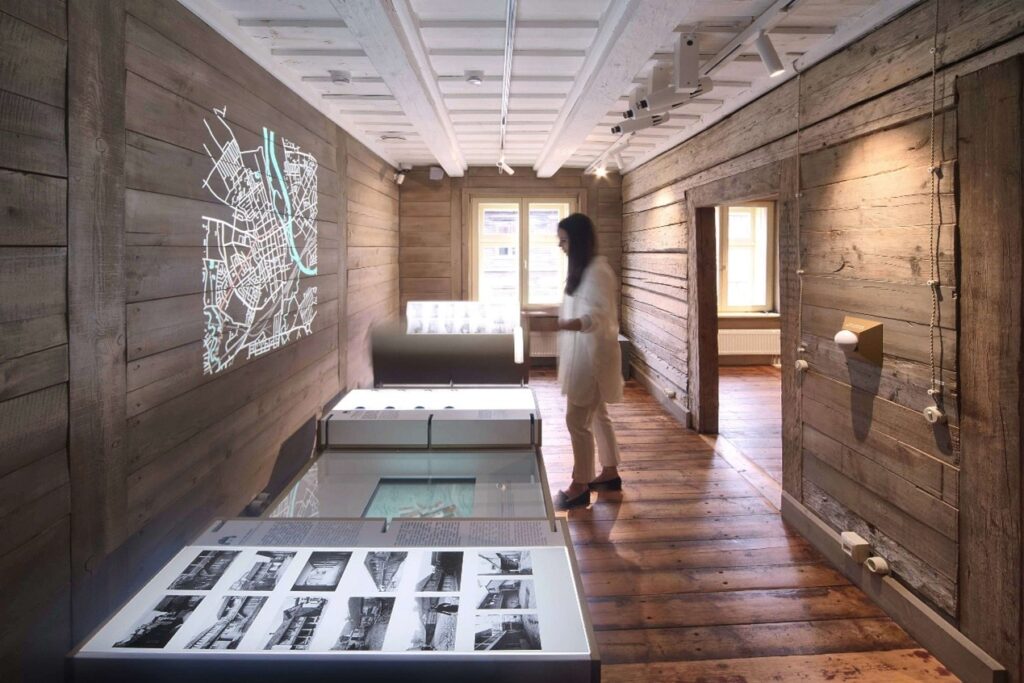
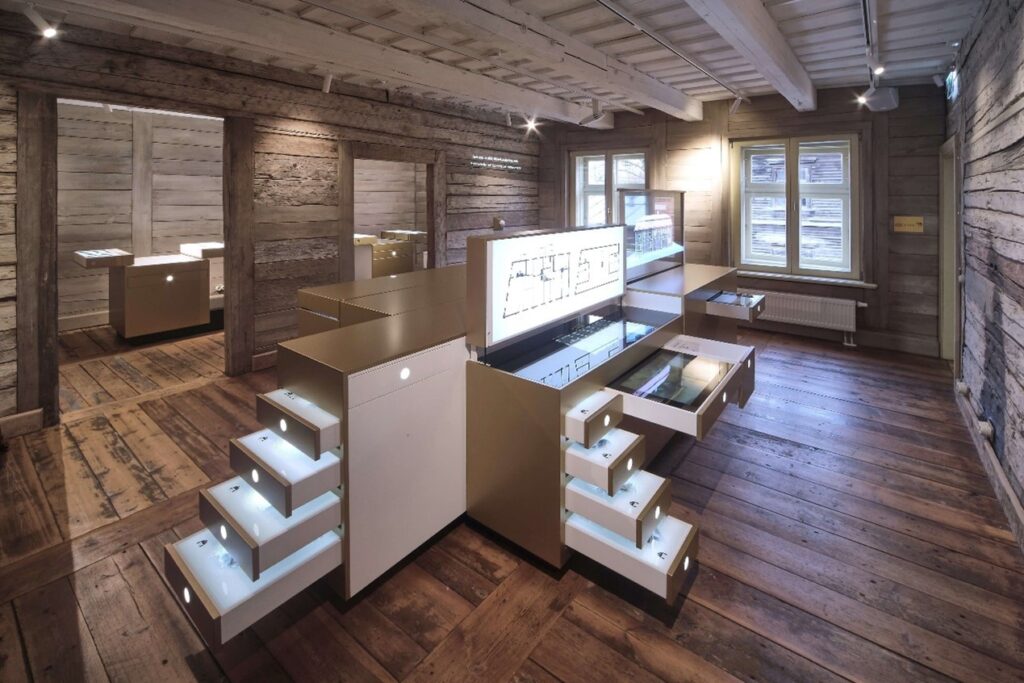
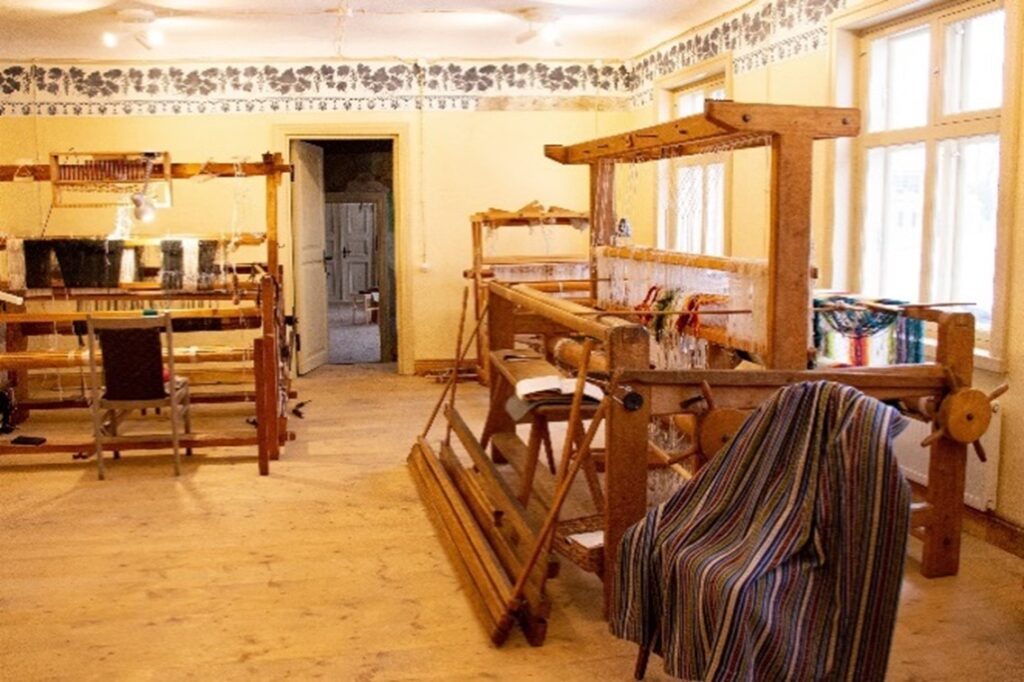
Methods included minimal intervention to preserve authenticity, the creation of a modern interactive exhibition in the Old Town House, and the establishment of the Zemgale Restoration Centre, which hosts educational events and workshops.
Outcomes, Results, and Impacts
The project has led to significant positive outcomes:
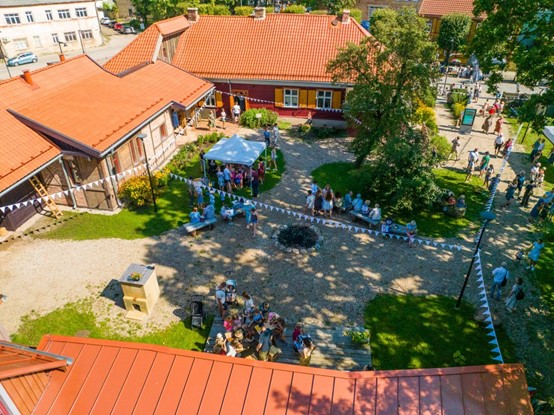
Cultural Hub: The restored area has become a central cultural hub, attracting locals and tourists alike.
Economic Growth: Increased tourism has benefited local businesses and boosted the economy.
Recognition: The Old Town House has received several awards for restoration and sustainability, highlighting the project’s success.
Potential for Replication in Other Regions
The Jelgava project provides a valuable model for other regions:
Preservation Techniques: The minimal intervention approach can be applied to preserve historical authenticity in other contexts.
Community Involvement: Engaging local communities in restoration projects ensures sustainability and local support.
Economic Integration: Combining cultural preservation with economic development goals can create synergistic benefits for other regions.